House Clearance in Radlett

House clearance in Radlett can involve a single room, a full property, or a carefully phased clearance where different items need to be separated for reuse, recycling and disposal. We handle domestic clearance work with an organised approach, so the right items are kept apart from those that need moving on. That can be useful when a home contains furniture, general household contents, old appliances, books, boxed items or mixed waste that has accumulated over time.
The service is built around practical removal and clear decisions about what stays and what goes. Some customers want a straightforward emptying of a property before a sale, while others need help with part-clearances after a move, renovation or change in household circumstances. If you need to request a quotation, send the main details through and we can discuss the scope before arranging the work.
Our house clearance service also covers the handling of items that need extra care during removal, including awkward furniture, mixed contents from lofts or garages, and belongings that must be moved without damaging floors or fittings. When clearance is planned in stages, it is often best to begin with the most accessible rooms and then work through storage areas, attics and outbuildings. Clear sorting at the start helps keep the process efficient and reduces unnecessary handling.
Clearance for complete homes and partial room contents
Not every household clearance is the same. Some jobs are best treated as a full-property clearance, where every room is left empty apart from items the client wants to keep. Others are partial clearances, which focus on a loft, spare room, cupboard group, or selected furniture and loose contents. We can work to the agreed scope so the job stays focused on the right part of the home rather than removing items that still have a use.
Room-by-room planning is often helpful where a property still contains a mix of useful furniture and general clutter. A clear list of what is to remain, what is to be removed, and any items that need special handling makes the process much simpler. That is especially important when several people are involved in deciding what should be retained, donated, recycled or taken away.
If you are comparing clearance options, think first about the access available, the amount of sorting needed and whether any items are too large or awkward to move without dismantling. A short note about the property type and the rooms involved is usually enough to begin a useful quotation conversation. For a broader look at the service range, see our home clearance page.
Furniture, fixtures and household items
Furniture often makes up a large part of a house clearance, particularly in properties where rooms have been used for storage as well as daily living. Sofas, wardrobes, beds, tables and shelving can take time to move safely, especially when hallways are narrow or pieces need to be broken down before removal. We can deal with mixed furniture groups as part of the wider clearance rather than treating each item separately.
Some clearances include items that are no longer needed but are still structurally sound. Others contain broken, worn or obsolete furniture that must be removed in a responsible way. The best approach depends on condition, size and where the item sits in the property. Our furniture clearance service covers those kinds of removals when the main task is focused on larger household pieces rather than a full property emptying.
Where a household has a blend of furniture and smaller contents, it can help to identify priority pieces before the job begins. That may include anything valuable to keep, anything fragile, and anything too large to move without extra care. We can then plan the sequence of removal so the work remains orderly and the remaining rooms are left ready for their next stage. For objects that need separate disposal handling, our furniture disposal page gives a useful starting point.
Loft, garage and storage-space clearances
House clearance work often extends beyond the main living areas. Loft spaces, garages, sheds and internal storage cupboards usually contain a mix of seasonal items, old boxes, broken equipment and pieces that have simply been left for years. These spaces can be awkward because access may be limited and the contents are often stacked tightly, so removal needs to be planned carefully and carried out in the right order.
When storage spaces are part of the job, we can separate the contents into categories that are easier to manage. That may include items for disposal, reusable pieces, recyclable materials and things that should remain in the property. A measured approach prevents avoidable disturbance and makes it easier to keep the work aligned with the agreed scope. For more targeted work, our loft clearance page is relevant where the main task is overhead storage removal.
Garages frequently hold both household and semi-outdoor items, so clearance there can be a little different from a standard room emptying. You may find paint tins, tools, broken furniture, exercise equipment or boxes that have been stored for a long time. If the garage forms part of a larger clearance, it can be treated as one section of the overall job; if it is the only space needing attention, the work can be planned as a standalone project through our garage clearance service.
Furniture, room contents and everyday removal choices
Household contents vary widely, so a good clearance service needs to handle ordinary domestic items without overcomplicating the process. Books, kitchenware, small electrical items, ornaments, clothing and boxed household goods may all be part of the same job. The aim is to keep the work organised and to move items in a way that matches the layout of the property, the access route and the agreed instructions.
Where there are mixed contents, it is often sensible to decide in advance which items are most important to separate. This matters when some things are being retained for family use, some are going for reuse, and others are simply being taken away as waste. The clearer the brief, the easier it is to keep the clearance tidy from start to finish. If the work is centred on a specific property type rather than one room, our flat clearance page may also be useful.
Useful information for a quotation usually includes the property size, the rooms involved, any items that need dismantling, and whether parking or access is straightforward. Two brief notes are often enough to begin: what needs removing and what should remain. If you already know that the job includes several different storage areas, it helps to mention that at the outset so the scope is not under-estimated. You can also read more about our broader house clearance service if you want the whole-home version of the work.
How the clearance is organised on site

Clearance work is usually most efficient when the sequence is decided before the first item is moved. We may begin with obvious loose items, then progress to larger furniture, then finish with remaining boxed contents and smaller pieces. That order helps reduce congestion in hallways and gives a cleaner overall flow through the property. It also makes it simpler to keep the retained items separate from those being removed.
Access matters because properties differ in layout, stair width, internal doors, garden routes and parking arrangements. A clearance through a front entrance may need a different approach from one that can be carried out through a side passage or rear access point. When photographs are available, they can support the quotation process, but the most important details are still the rooms, contents and access points. Keep the description factual and concise so the estimate can reflect the real job.
For customers who want a broader understanding of cost structure before arranging work, our pricing and quotes page explains the general factors that influence a quotation. Those factors often include volume, item type, lifting difficulty and access. If you are ready to move ahead after reviewing the scope, you can ask for a quote in plain terms: what needs clearing, where it is, and when it should be done.
Waste, recycling and disposal decisions
A responsible house clearance is not just about removing items; it is also about deciding what should happen to them afterwards. Some contents may be suitable for reuse, others for recycling, and some for disposal through the correct waste route. The exact split depends on condition and material type. That is why clear sorting at the outset is so useful, especially where the property contains a wide mix of household belongings.
Mixed domestic waste can include paper, cardboard, textiles, wood, plastics, metal, electricals and general non-reusable items. Handling those categories carefully helps ensure the clearance is done in an orderly way. If the work involves larger quantities of mixed rubbish rather than mostly furniture, our waste removal page offers a broader option. For materials associated with renovation or refurbishment, builders waste clearance may be the more suitable route.
Recycling and responsible processing are important parts of the decision-making process, but they do not replace the need for a clear brief. The simplest way to keep the job on track is to identify what must be removed, what needs to remain, and whether any items are especially fragile or heavy. That saves time on site and helps the clearance progress in a steady, controlled manner. If you want to discuss the sort of items involved, ask for a quotation and include a short outline of the contents.
About Radlett
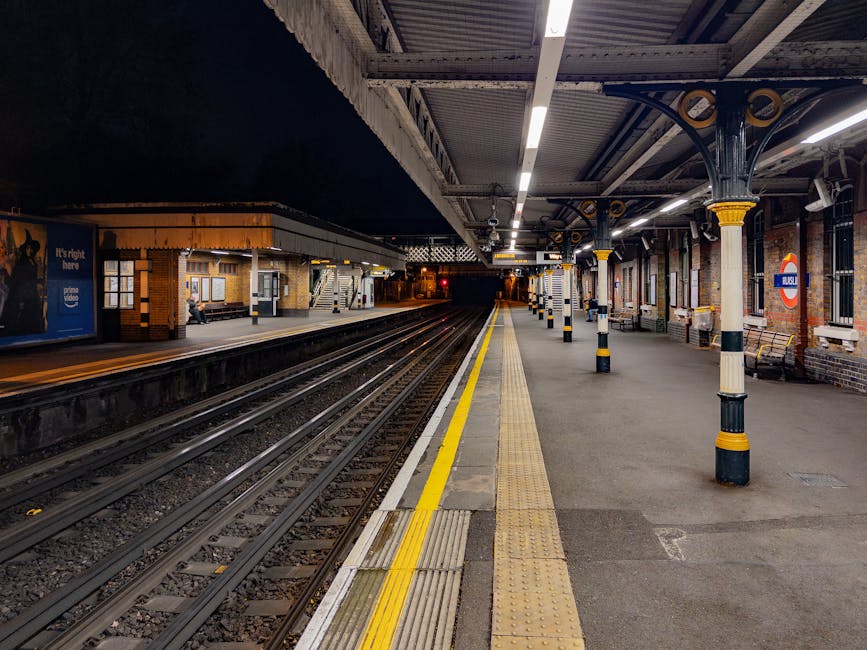
Radlett is a village in Hertfordshire, positioned between Watford and St Albans and bordered by open countryside that gives it a distinct edge between settlement and rural landscape. It is known for a mix of historic development and later commuter growth, with the railway line encouraging residential expansion from the nineteenth century onwards. The village centre retains a compact arrangement of shops, services and streets, while the surrounding area includes larger houses, tree-lined roads and pockets of green space that reflect different periods of building. One of the best-known local landmarks is Aldenham Country Park, located nearby and associated with the wider Aldenham estate landscape. Another notable presence is Christ Church, whose prominent red-brick Victorian design stands as a visible feature of the village. Radlett also has long-standing connections with the entertainment industry through Elstree Studios in the wider district, although the village itself has its own quieter residential identity. The rail station, local schools and places of worship all contribute to the settlement’s day-to-day character, while the nearby M1 and A41 corridors help define its connection to the wider Hertfordshire and London travel network. Despite those links, Radlett retains the feel of a settled local community rather than a dense urban centre. Its mixture of older properties, interwar housing and later developments gives it architectural variety, and the surrounding landscape means that green edges remain close to the built-up streets. The result is a place with a strong village identity, shaped by transport, history and the transition between town and countryside.
House clearance for different property types
Clearance needs vary from one property type to another, which is why a one-size-fits-all approach does not work well. A traditional house may include loft access, cellar storage and multiple upstairs rooms; a smaller property may need more careful planning around staircase width and internal circulation; and a home that has been lived in for many years may contain a higher proportion of stored items. The service should fit the property, not the other way around.
Where a property contains items that cannot be moved in one piece, careful dismantling may be the most practical option. That can apply to bed frames, wardrobes, shelving or other furniture that is too large for a narrow route. The key is to keep the work controlled and to avoid unnecessary damage to walls, floors or fittings. For this type of task, it can help to separate the clearance into named areas so that the removal plan follows the property layout logically.
We can also help when a house clearance overlaps with furniture disposal or with a general waste job. In those cases, the right service depends on whether the main issue is a property full of contents, a stack of large items, or a mixed collection of household waste. If you are uncertain where your job fits, send a brief description and we can point you toward the most suitable route. A clear starting point makes the quotation process much easier.
Preparing for a quote and choosing the right scope

Two pieces of information usually make a quotation far more useful: the amount of material involved and the kind of access available. If you can say whether the job is a single room, several rooms or a whole property, that gives a much better starting point than a general request alone. It also helps to note whether there are stairs, awkward corners, or any items that will need more than one person to move safely.
It is also useful to mention whether the job contains only household items or a mixture of furniture, storage contents and general waste. That distinction can affect how the clearance is planned and how long the work may take. If you are sorting through belongings before the job, keep the instructions simple and practical. A short list of items to retain, items to remove and any special points about access is usually enough to begin.
If your needs are broader than a standard domestic clearance, you may wish to look at our office clearance page for workplace removals or our business waste removal page for commercial waste. For domestic work, the best next step is to make an enquiry with a straightforward summary of the property, the items and the timeframe. Tell us what needs clearing, and we can discuss the quotation from there.
Recycling, reuse and careful item sorting

In a house clearance, the sorting stage matters because not every item follows the same route. Some belongings can be separated for reuse, some can be recycled in line with their material, and others must be treated as general waste. That makes it important to avoid simply piling everything together. The cleaner the sorting, the more controlled the clearance and the easier it is to keep the agreed scope in view.
Some homes contain a combination of items that are still in usable condition and items that are no longer suitable for storage, sale or donation. That can be common in properties that have been occupied for a long time or where multiple generations have used the same space. Our recycling and sustainability page explains the general approach to responsible handling, while the main clearance job remains focused on removing what is no longer needed from the property.
Making the next step straightforward
A house clearance is often easiest when the work is broken into a sensible sequence and the brief stays specific. Whether you need a full property emptied or only selected rooms cleared, the aim is to remove the right items while keeping the process organised. That approach helps the property move on to its next stage without unnecessary disruption, and it also makes the quotation process more accurate from the outset.
If you are considering a clearance in Radlett, start by noting the property type, the main rooms involved and any especially heavy or awkward items. After that, you can decide whether the job is best treated as a full house clearance, a partial clearance or a related service such as furniture or waste removal. If you want the broader company information, our about us page is available, and for a final quote request you can use contact us to send the details.
When you are ready, ask for a quotation with the simplest possible summary of the work. Say what is being cleared, what should remain and whether there are access points we should know about. That is often enough to begin a useful conversation and move the job forward efficiently. Request your quote today.